5 Common HDB Interior Design Mistakes and How to Avoid Them

If you have ever walked into an HDB flat and wondered why it feels a bit off, there’s a good chance the issue has nothing to do with expensive materials or fancy carpentry.
Most homeowners don’t actually “ruin” their homes; they just make a few predictable design mistakes without realising it.
I have seen this again and again, even in my own early renovations when I thought enthusiasm could replace proper planning.
Most of these mistakes come from rushing. Or assuming a Pinterest idea will magically fit into a 4-room layout. Or simply not knowing how much space a real sofa actually takes.
Before you pick up a hammer or start daydreaming about feature walls, it helps to understand a few basics:
- Scale
- layout flow
- Lighting
- HDB regulations, and
- Your long-term lifestyle.
Get those right, and your home practically designs itself.
Alright, let’s break down the five biggest HDB interior design mistakes and how you can avoid making them.
Mistake #1: Using Oversized Furniture in Small Spaces
Why It is a Problem
This one bites almost every first-time homeowner. You see a gorgeous sofa in the showroom, probably under perfect lighting and in a space three times the size of your living room, and think, Yes, that’s the one.
Then it arrives, and suddenly your living room shrinks. You start walking sideways around it like you’re in a maze.
Oversized pieces do more damage than you’d think:
- They block natural pathways
- Make the room feel smaller and heavier
- Force awkward layouts that never fully work
In an HDB flat, even 5–10 cm matters. A slightly oversized wardrobe can turn a decent bedroom into a corridor.
A bulky L-shaped sofa in a narrow living room? That’s basically an obstacle course.
How to Avoid It
Measure everything. And I mean everything – doorways, corners, walkways, and radii of doors opening.
One of our clients once bought a dining table that barely made it through the corridor because she assumed “standard size” meant something universal. Nope.
Choose:
- Slim-profile sofas
- Compact dining sets
- Raised-leg furniture for visual lightness
Your home will feel instantly bigger, even though nothing has actually changed except the proportions.
Mistake #2: Over-Customising Built-Ins
Why It’s a Problem
Many homeowners go on a built-in frenzy: TV feature walls, platform beds, full-height bookshelves, integrated study desks, the works.
At first it looks clean and organised. But then life happens.
Kids grow. Work-from-home becomes optional, then mandatory, then optional again. Hobbies change.
You suddenly need space for a keyboard or a yoga mat. And there you are, stuck with a platform bed that takes up half the room and a study corner you no longer use.
Built-ins lock you in. That’s the real issue. And removing them later? Messy, dusty, and not cheap.
They can also affect resale because buyers want flexibility, not a home shaped around someone else’s habits.
How to Avoid It
Use built-ins strategically, not aggressively. They work best where you need long-term functionality, like:
- Kitchen cabinets
- Bedroom wardrobes
- Entryway storage benches
- A modest TV console
Everything else can be modular. Movable furniture gives you the freedom to shift things around as your life changes, because it will.
Ask yourself, “Will Future-Me still want this built-in?” If the answer feels uncertain, skip it.
Mistake #3: Poor Lighting Choices
Why It’s a Problem
Lighting is easily the most underrated part of HDB design. People treat it like the final step, the “Oh yes, lights!” moment, when actually, it should be baked into the plan from the start.
Bad lighting results in:
- Flat, dull-looking rooms
- Dark corners
- Harsh white light that makes everything feel like a clinic
- Zero ambience
A single ceiling light in the middle of the living room? That’s not lighting. That’s survival mode.
How to Avoid It
Think in three layers:
- Ambient lighting
General illumination: cove lighting, ceiling lights, track lights. - Task lighting
Needed for cooking, reading, and working: under-cabinet lights, desk lamps, and bedside lamps. - Accent lighting
For mood and personality: wall sconces, LED strips, and shelf lighting.
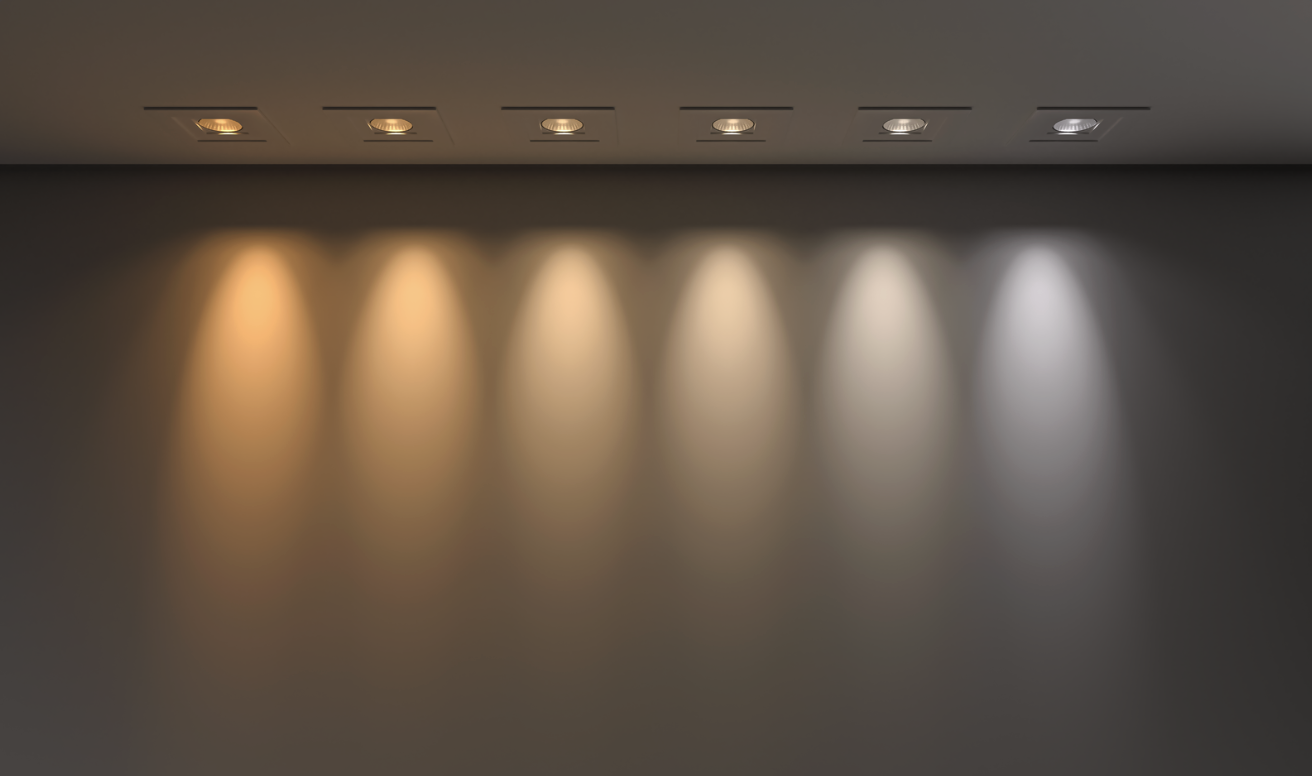
Mix warm and cool lighting depending on what the space is used for.
- Warm lighting in bedrooms = cozy.
- Cooler lighting in kitchens = practical.
Plan lighting early, not after carpentry is done. Trust me, rewiring later is a headache.
Mistake #4: Ignoring HDB Renovation Rules
Why It’s a Problem
HDB has rules. Lots of rules. Some of them feel fussy, but most exist for safety.
Still, many homeowners unknowingly break them because they assume “my contractor should know.” Not always the case.
Common violations include:
- Hacking structural walls
- Extending bathrooms illegally
- Modifying window frames
- Relocating sinks where pipes can’t support them
- Flooring works that violate waterproofing guidelines
The consequences are not fun:
- Fines
- Forced reinstatement
- Delays
… and yes, headaches.
How to Avoid It
Always, and I mean always, check the latest HDB renovation guidelines before planning. Or better yet, work with a reputable interior design company who already knows them inside out.
- If you want to hack a wall, confirm if it’s structural.
- If you want to redo the bathroom, check allowed areas and waterproofing rules.
- If you want to shift plumbing fixtures, ask before drilling.
Think of rules as boundaries within which creativity thrives. Breaking them creates nothing but problems.
Mistake #5: Overusing Decorative Pieces
Why It’s a Problem
Home décor is fun. Too fun, actually. You start with one shelf, then one plant, then one candle… and suddenly your home looks like a souvenir shop.
In tight HDB spaces, too much décor can:
- Shrink the room visually
- Make surfaces look messy
- Create “visual noise”
- Distract from the main design
Pretty individually does not mean pretty collectively.
How to Avoid It
Go for “intentional décor” instead of “filler décor”.
- One statement artwork: five small random frames
- A clean coffee table: a cluttered tray of trinkets
- A single vase of fresh flowers: shelves full of knick-knacks
Group small decor pieces in clusters, not scattered everywhere.
Step back occasionally and look at the room as a whole. If it feels busy, edit.
Conclusion
Good HDB design is mostly about avoiding simple mistakes: oversized furniture, overbuilt carpentry, poor lighting, rule-breaking, and décor overload.
Take your time. Measure twice. Think ahead. And if you’re unsure, ask someone with experience — a good designer knows the rules, flow, and practical realities of HDB living.
Do that, and your home won’t just look bigger—it will feel calmer, more functional, and like your space for years to come.