
How To Tighten Skin Due To Skin Laxity
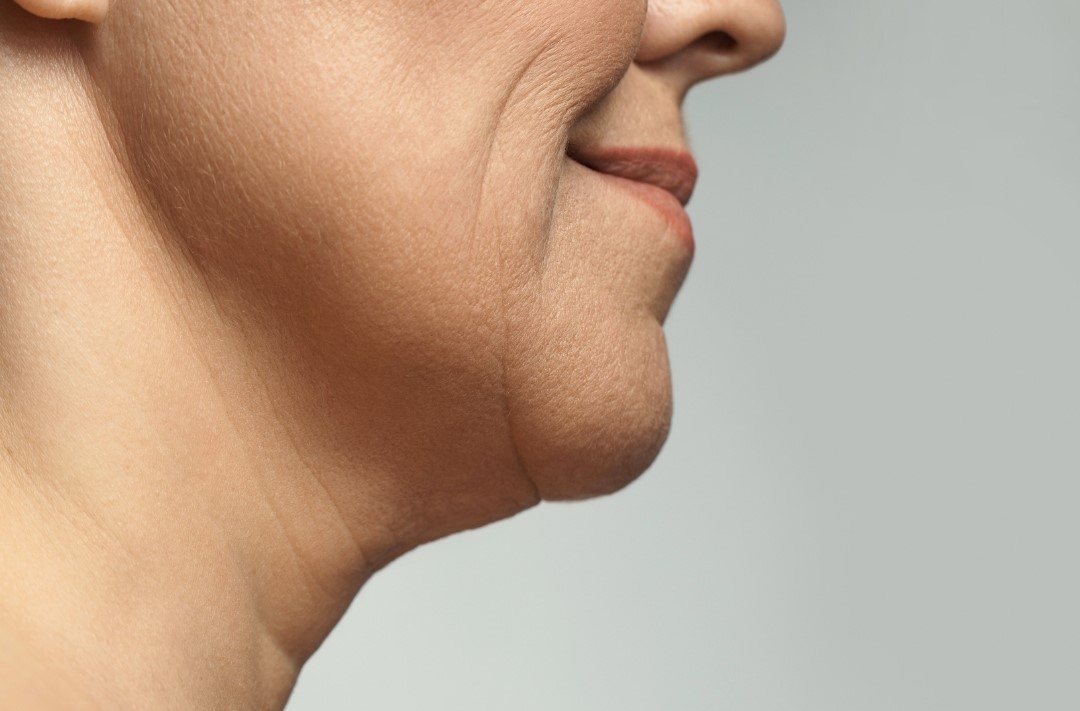
You have worked hard to drop that unnecessary weight and fat that was bothering you, only to find the results not so pleasing to the eye? What you see in the mirror is probably skin laxity. This occurrence is easily treatable and does not need to sit for life.
So, what kind of treatments for skin laxity can fix this loose skin? Let’s see below:
1. Exercise
If you have skin laxity from a sudden drop in weight, a workout is the best way to counteract this. We all know that physical activity is of most importance to your body, so find exercises to tighten the muscles and stop the skin from loosening.
If your skin laxity is caused by pregnancy, consult the professionals for advice on the type of workouts you can do that will not harm your body during such a delicate period.
2. Firming products
Many products, such as lotions and creams, moisturise your skin with compounds called retinoids. This ingredient is a powerful antioxidant that helps collagen increase production, rejuvenating skin.
3. Supplements
What you eat is also essential. The food we put into our bodies directly influences our skin and its quality. If your diet doesn’t contain enough nutrients, there are nutritional supplements to enrich your system.
Some of these supplements include:
- Collagen hydrolysate – as we said before, collagen supports hyaluronic acid levels that moisturise the skin by increasing collagen production as well as network-building
- Antioxidants—Your skin is constantly battling toxins that degrade collagen production. Vitamins A, C, D, and E primarily work well as antioxidants.
4. Massage
Massage is also a great and pleasant way to reduce laxity. It improves blood flow and increases the production of skin connective tissue, such as collagen and elastin, which tightens the skin.
5. Nonsurgical procedures
Now, let’s talk about nonsurgical procedures for skin laxity dermatologists and cosmetic surgeons that may help reduce loose skin. These procedures don’t require undergoing operation treatment.
What can skin laxity treatment professionals in Singapore do?
- Ultrasound – this treatment tightens and lifts the skin relatively quickly. Results can be seen already in six months,
- Laser treatments – This procedure interacts with the epidermis (outer skin level). This is mainly done on arms and belly, with results showing in a couple of months after a series of treatments,
- Non-surgical radiofrequency—By heating deep skin tissues with special radiofrequency devices, the skin tightens and rejuvenates. Some people claim to have seen results even after one treatment. While it generally takes about half a year to see significant changes, this procedure makes your skin treatment last for two to three years!
6. Minimally invasive procedures
If you are comfortable with a certain level of invasive procedure, you can also try these methods to guarantee results. The procedures are done with special surgical devices and techniques only professional skin surgeons can use.
Let’s see examples of these methods together, shall we?
- Surgical radiofrequency – This minimally invasive treatment requires inserting small tubes in the tiny incisions on the skin’s surface. After this, heat is applied directly to the parts of the skin affected by skin laxity, working locally. Surgeons perform this kind of minimally invasive procedure, usually on the parts of the body such as the neck and upper arms, with results appearing in about one month. Of course, local anaesthesia is used, and compression bandages are worn during the assigned recovery time.
- Intense pulsed light—This method is usually combined with the procedure described above. This joint procedure is done because both techniques affect different layers of skin tissue. Since the patient is already undergoing surgical radiofrequency, intense pulsed light is an additional method used so the treatment gets the results every time. The only thing that does not work in favour is that depending on skin tone, intense pulsed light can be unsuitable for those with darker skin tones or tanned skin.
7. Laser resurfacing
Last but not the least is laser resurfacing. This is the most effective procedure for treating minor cases of loose skin. Removing skin with precision allows skin cells to renew themselves in recovery, giving the skin a tighter, younger-looking surface.
Also, the recovery period is very short, with seven days required to heal, and results will become noticeable in just two weeks after healing!
How Does Skin Laxity Happen?
People often ask – how does skin laxity happen? Well, for starters, if you lose weight too quickly for your skin to rejuvenate and adjust to the new body structure, the skin’s elastic fibres weaken, resulting in loose skin that hangs.
Rapid weight loss after pregnancy is mothers’ most common source of skin laxity.
This happens because of the hormonal changes and high physical tension in the belly when the baby grows. Also, fat storage is made so mothers can support babies, so additional fat doesn’t help either.
Of course, older age is also one of the reasons for skin to start sagging. We all age differently, but collagen loss is bound to happen at some point. When collagen stops reproducing, this causes the skin to thin and loosen, or laxying.
Speaking of ageing differently, our genetics are the most critical factor in the quality of our skin. Genetics determine and influence skin elasticity; depending on the genetics lottery, this can lead to looser skin in some unlucky individuals.
Skin laxity caused by ageing is noticed in the mid to late thirties.
When collagen networks start becoming disconnected, elastin fibers begin to crumble, and moisturizing acids, mainly hyaluronic acid, start experiencing a significant loss.
Other rarer causes don’t happen to a broad population, including menopause, some types of medications, steroids, corticosteroids, ultraviolet light damage from artificial tanning, harsh chemicals in many skin products or detergents, and so on.